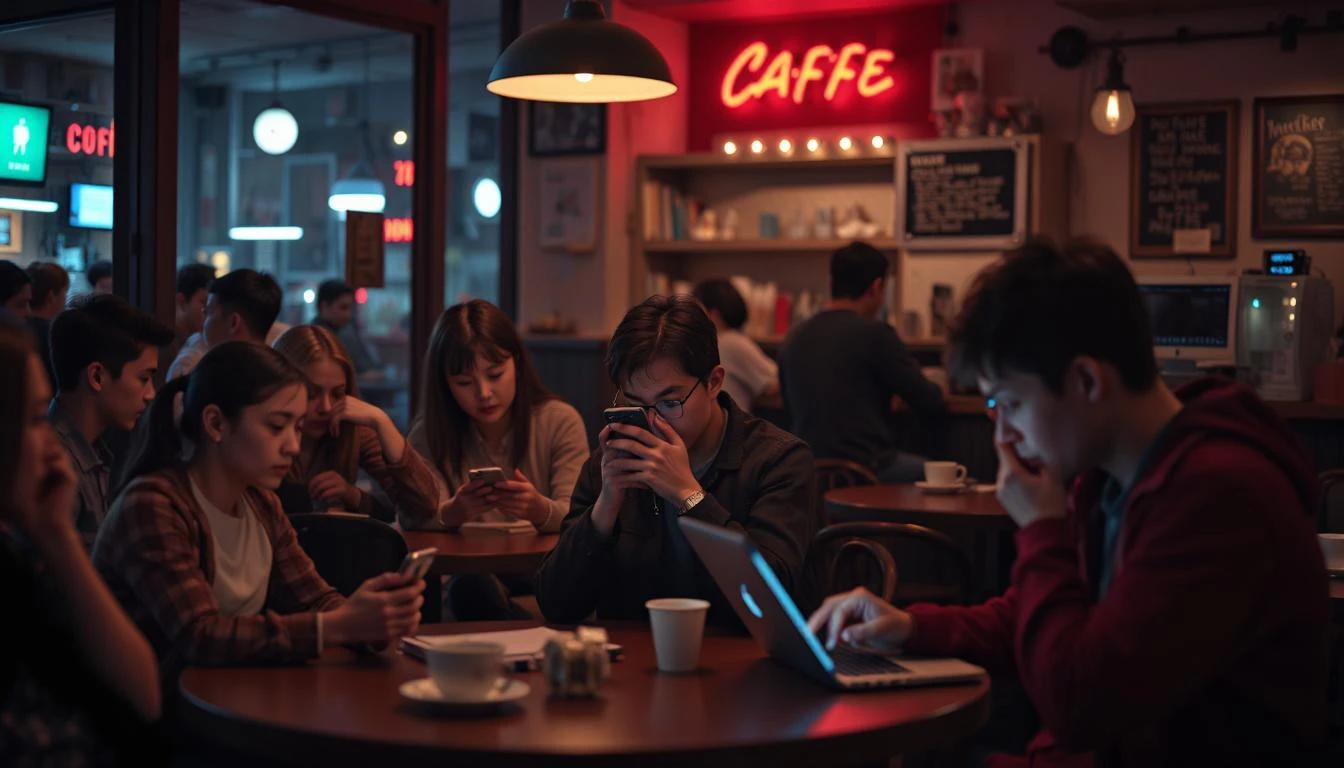
Internet Nostalgia Trends Return
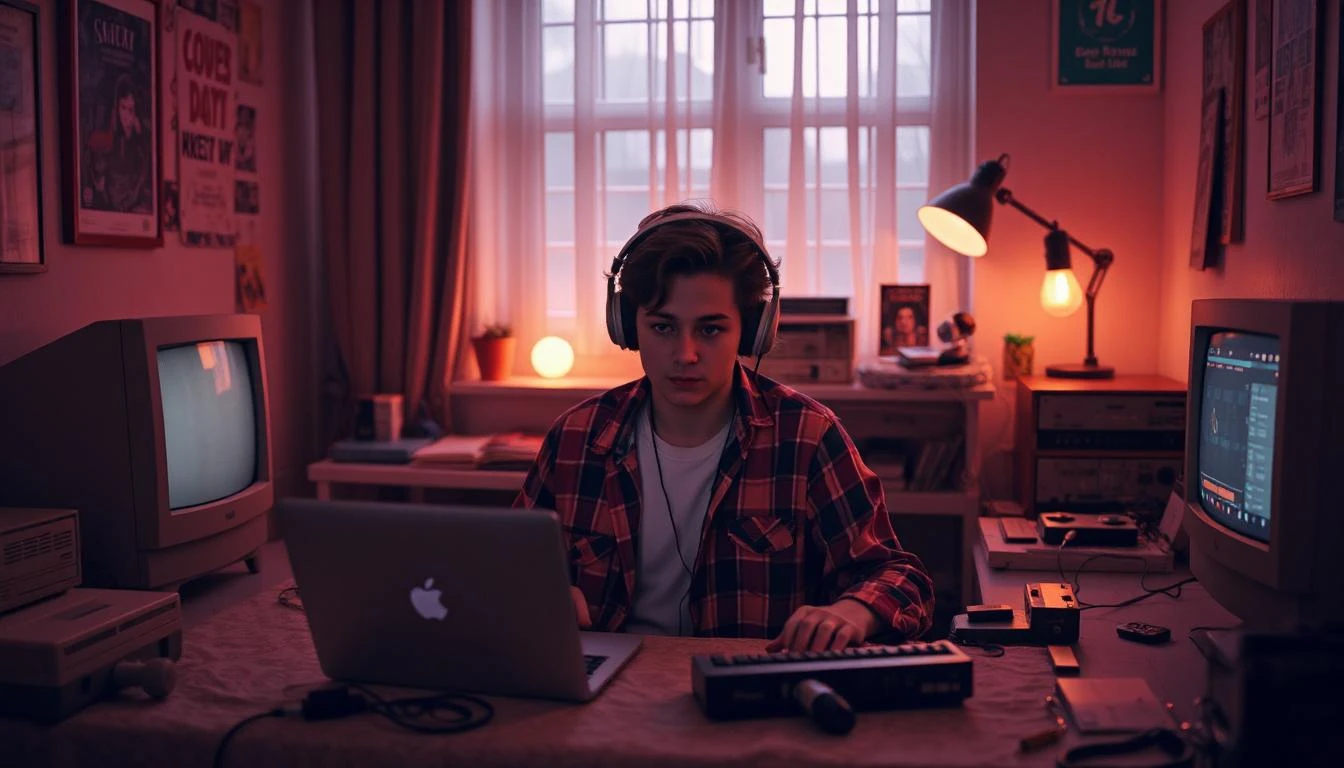
The internet moves incredibly fast, yet something unexpected is happening across social media right now. Instead of chasing futuristic trends, millions of users are turning their attention backward. Old visuals, forgotten meme styles, blurry digital aesthetics, and emotional online memories are suddenly becoming relevant again. From TikTok edits inspired by early 2000s culture to vintage-inspired content dominating feeds, people are reconnecting with a version of the internet that felt more personal, chaotic, and strangely authentic.
What makes this shift even more fascinating is how nostalgic internet culture has evolved into one of the strongest entertainment trends online today. Audiences are no longer engaging only with polished content or algorithm-friendly perfection. They are searching for emotional familiarity, retro creativity, and digital experiences that remind them of simpler online moments. Media theorist Douglas Rushkoff once explained that people naturally reconnect with media tied to memory and identity, and that emotional attachment is now shaping how viral entertainment spreads across modern platforms.
Why Nostalgia Is Dominating The Internet
The growing popularity of internet nostalgia is not happening by accident. Many users feel overwhelmed by endless content cycles, hyper-curated influencer lifestyles, and repetitive online trends. Because of that, people are becoming emotionally drawn toward content that feels more relatable and emotionally grounded. Retro social media trends are quietly fueling this shift, shaping how audiences reconnect with older digital styles. That emotional pull creates stronger engagement because audiences instantly recognize the feeling behind the content, not just the visuals themselves.
Retro aesthetics returning on TikTok
TikTok has become one of the biggest drivers behind the nostalgia movement online. Scroll through the platform for a few minutes and you will quickly notice VHS filters, grainy transitions, old-school digital camera effects, and music inspired by early internet culture appearing everywhere. Marketing expert Seth Godin once mentioned that “people do not buy products or ideas only because of logic.” They buy feelings, memories, and emotional associations. That idea perfectly explains why nostalgic entertainment trends continue growing across social platforms.
Old internet culture influencing new creators
A surprising number of younger creators are now studying older online communities for inspiration. Tumblr aesthetics, MySpace-inspired layouts, early YouTube editing styles, and chaotic meme humor are influencing a completely new generation of digital entertainers.
Emotional connection through nostalgic content
Nostalgic content spreads quickly because emotions travel faster than information online. People naturally engage with content that reminds them of comforting memories, simpler experiences, or emotional moments connected to identity and self-expression.
Viral Trends Inspired By Past Digital Eras
Modern entertainment trends are increasingly built from recycled digital memories. Instead of constantly inventing completely new concepts, creators are reshaping old internet habits into content formats that feel both familiar and fresh at the same time. This approach works because audiences already understand the emotional language behind nostalgic trends. The visuals, references, and humor styles instantly create recognition, which increases interaction much faster than unfamiliar content formats.
The comeback of vintage meme formats
Vintage meme formats are making a massive comeback across social media. Rage comics, demotivational posters, reaction images, and low-resolution memes from earlier internet eras are becoming popular again because they feel unpredictable compared to today’s highly optimized meme culture. Older meme styles also feel more human. They were often messy, exaggerated, and creatively absurd, which makes them stand out in modern feeds filled with polished templates and repetitive humor structures.
Early social media references becoming popular
References to MSN Messenger, Tumblr dashboards, MySpace music pages, old Facebook statuses, and vintage YouTube culture are becoming increasingly visible in entertainment content. These references trigger curiosity among younger users while creating emotional memories for older audiences. This trend reveals something deeper about internet behavior today. People are no longer using social media only to consume entertainment.
Music and fashion shaping nostalgia trends
Music and fashion play an enormous role in shaping nostalgic entertainment online. Artists are reviving sounds inspired by early 2000s pop culture, while fashion creators are bringing back vintage streetwear, oversized silhouettes, cyber aesthetics, and retro accessories connected to older digital eras.
How Nostalgia Creates Strong Online Engagement
One of the biggest reasons nostalgia performs so effectively online is because it transforms passive viewers into emotionally active participants. People are far more likely to interact with content when they feel personally connected to it. That emotional participation creates stronger comments, longer watch times, more shares, and deeper audience loyalty. In entertainment culture, emotional familiarity has become one of the most powerful engagement tools available today.
Familiar content increasing audience interaction
Familiarity creates comfort, and comfort creates interaction. When users recognize an old reference, a forgotten visual style, or a nostalgic soundtrack, they instantly feel more connected to the content. This is why nostalgic entertainment consistently generates strong engagement rates. Audiences are not only consuming the content.
Gen Z rediscovering older internet moments
One of the most fascinating parts of this trend is watching Gen Z romanticize internet eras they never personally experienced. Old flip phones, pixelated graphics, archived chat rooms, and early social media aesthetics now feel exciting to younger audiences searching for authenticity online.
Why comforting trends spread rapidly online
Comforting trends spread rapidly because they provide emotional relief in a fast-moving digital environment. Modern social feeds often feel overwhelming, argumentative, and algorithmically exhausting. Nostalgic content offers a temporary escape from that pressure. People naturally share content that makes them feel emotionally safe, understood, or connected to a collective memory.
Bring Back The Best Moments of Internet Culture
The internet may continue evolving technologically, but audiences are clearly showing that emotional authenticity still matters more than digital perfection. Nostalgia reminds people of a version of online culture that felt creative, expressive, unpredictable, and deeply personal. You can already see how entertainment creators, musicians, fashion brands, and social media personalities are rebuilding modern trends using pieces of forgotten internet history. In many ways, the future of online entertainment is starting to look surprisingly familiar.