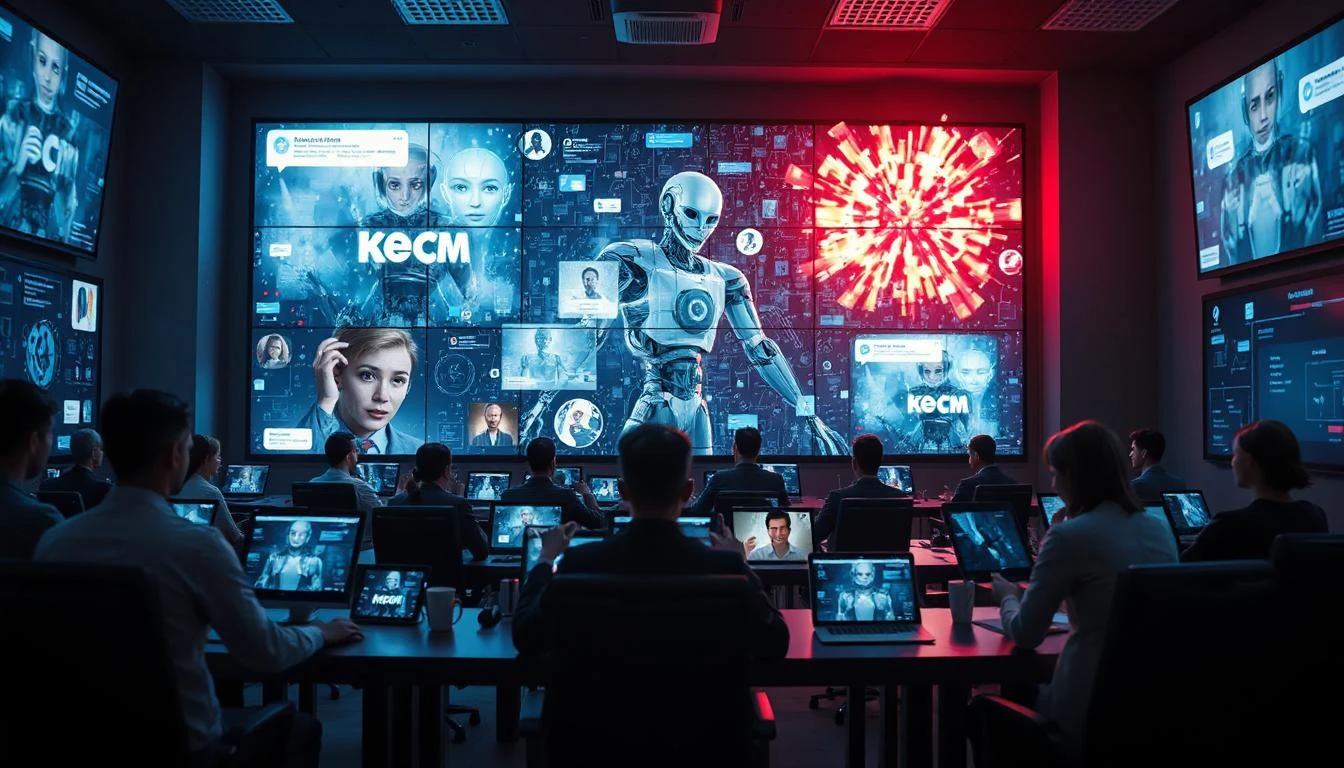
Viral Meme Culture Gets Darker

Memes used to feel simple. People shared funny images, random jokes, and relatable captions just to escape boredom for a few minutes. Now the atmosphere feels different. Social media feeds are filled with irony, emotional satire, chaotic edits, and humor that somehow feels funny and uncomfortable at the same time. The internet is no longer laughing only for entertainment. It is laughing to process pressure, uncertainty, and digital exhaustion that continues growing every single day.
What makes this shift even more interesting is how digital meme culture trends are shaping the way people communicate online. Instead of expressing emotions directly, users now hide reactions inside layered jokes, surreal edits, and dark humor references that instantly connect with millions of viewers. The internet has quietly transformed memes into emotional signals, and many people do not even realize how deeply these trends are influencing online behavior, entertainment culture, and social interaction itself.
The Rise of Dark Meme Culture
The rise of dark meme culture did not happen overnight. Social platforms slowly pushed audiences toward faster, sharper, and more emotionally charged content. At the same time, users began looking for humor that felt more honest and relatable than polished online personalities. This is exactly why the current online humor culture evolution feels more intense compared to internet trends from previous years.
Why ironic humor dominates social media
Ironic humor dominates social media because audiences are tired of content that feels artificial. People now engage more with posts that openly mock stress, awkwardness, burnout, and the absurdity of modern life. Instead of pretending everything is perfect, creators use sarcasm and chaotic editing styles to reflect how people genuinely feel online. Media researcher Sherry Turkle once explained that “digital communication often reflects emotional isolation despite constant online connection.” That idea perfectly matches the way modern meme culture operates today.
Gen Z humor and emotional coping trends
Gen Z audiences use humor differently compared to previous generations. Instead of separating jokes from emotions, they combine them together. Memes become emotional coping tools that allow users to discuss stress indirectly without sounding overly serious.
Viral meme formats changing online behavior
Modern meme formats are changing the way users consume information online. Short attention spans, rapid editing, and layered jokes now dominate entertainment across multiple platforms. Many viral memes rely on quick emotional reactions rather than detailed storytelling. This creates content that spreads faster because users instantly recognize the emotion behind the joke without needing long explanations.
Social Media Algorithms and Edgy Content
Social media platforms play a massive role in shaping modern humor trends. Algorithms reward content that keeps users scrolling, reacting, commenting, and replaying videos repeatedly. As a result, darker and more emotionally intense memes often spread faster than traditional comedy posts. This environment creates a cycle where creators continuously experiment with satire, irony, and exaggerated humor to maintain visibility online. The internet rewards emotional reactions, and meme culture evolves around that system.
TikTok recommendation patterns for memes
TikTok has completely changed how meme culture spreads. Its recommendation system pushes highly engaging content to massive audiences within hours, especially videos that trigger strong emotional responses. Dark humor memes often perform well because viewers replay them several times to fully understand the references or hidden jokes. Longer watch time signals stronger engagement, which helps the content spread even further across recommendation feeds.
How X and Threads amplify viral satire
Platforms like X and Threads accelerate satire at incredible speed. A single ironic post can evolve into thousands of variations within hours as users remix, repost, and reinterpret the joke. Technology expert Douglas Rushkoff once argued that “digital culture moves faster than human reflection.” That statement feels increasingly accurate when watching meme trends explode across social media every day.
Engagement driven humor trends online
Modern internet humor is heavily driven by engagement metrics. Content that shocks, surprises, or emotionally resonates with users tends to perform better than safer or more predictable entertainment. This trend is pushing online humor toward more extreme creativity, where absurdity itself becomes part of the entertainment experience.
The Psychology Behind Dark Internet Humor
Dark internet humor is not simply about being offensive or edgy. In many cases, it reflects how people psychologically respond to stress, uncertainty, and nonstop digital stimulation. Humor becomes a coping mechanism that transforms uncomfortable emotions into something shareable and socially understood.
Humor as a response to digital stress
People spend hours every day consuming overwhelming amounts of information. News cycles move faster, social pressure increases online, and digital comparison never fully stops. Memes give users a temporary emotional release from that pressure. Many users may laugh at a chaotic meme because it reflects emotions they struggle to explain directly in conversation.
Online communities and shared reactions
Memes create instant connection between strangers online. When users understand a niche joke or highly specific reference, they feel part of a larger digital community. This shared understanding is one reason meme culture spreads so rapidly. People enjoy feeling included inside conversations that reflect their experiences, frustrations, or emotional state.
Why chaotic content spreads faster
Chaotic content spreads faster because it interrupts predictable browsing patterns. Unexpected visuals, absurd edits, and emotionally exaggerated humor naturally capture attention inside crowded social feeds. Human curiosity reacts strongly to surprise. Algorithms recognize that behavior and continue amplifying content capable of generating repeated engagement.
Explore The Future of Viral Meme Trends
The future of meme culture will likely become even more unpredictable as artificial intelligence, algorithm personalization, and digital behavior continue evolving together. Internet humor is no longer just entertainment. It is becoming a reflection of how audiences emotionally adapt to modern online life. Future meme trends may include AI-generated satire, hyper-personalized humor feeds, and interactive viral content designed specifically around audience psychology. At the same time, users are becoming more aware that memes influence conversations far beyond entertainment itself. The next viral joke may look meaningless on the surface, but underneath it could reveal deeper cultural emotions shared by millions of people online.